Modern interiors emphasize the harmony between functionality and artistry. Furniture must be durable and comfortable, yet visually aligned with the design theme. A modular sofa offers flexibility for evolving needs, while a minimalist bed frame encourages calm and restfulness.
Storage solutions significantly impact daily life. Hidden compartments maintain a clean appearance, while open shelving allows curated displays of books and decorative objects. Practical design reduces clutter and increases efficiency.
Decor serves as the emotional highlight of a room. Mirrors expand visual space. Artwork introduces cultural depth. Sculptural pieces become conversation starters. Even subtle accents such as candles or textured throws enhance sensory experience.
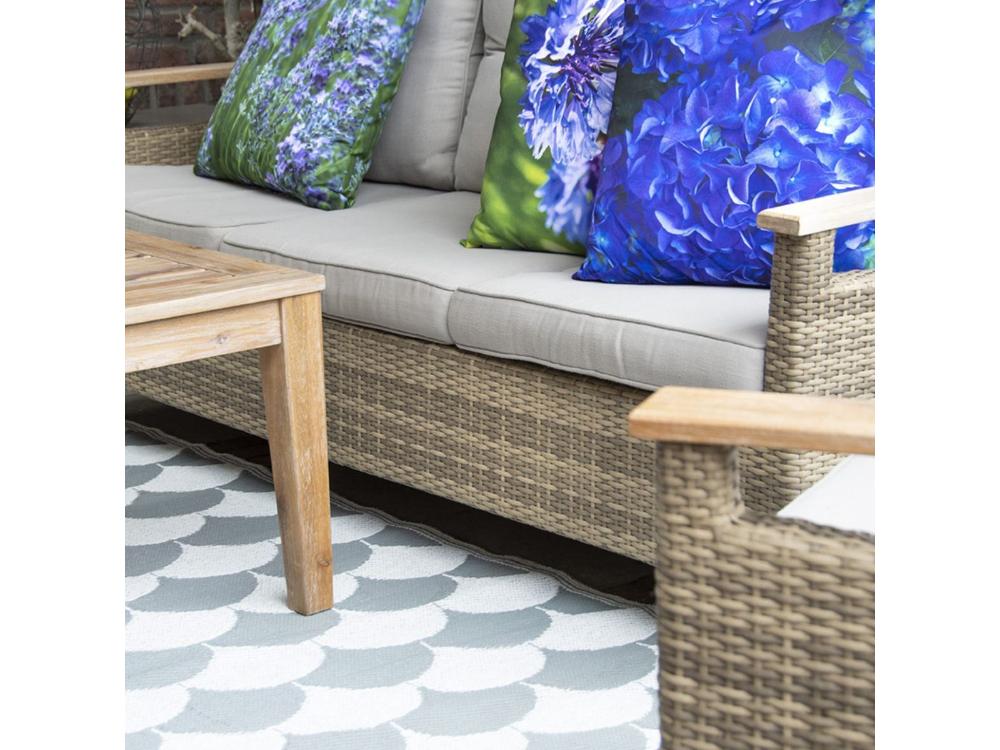
Current design trends favor natural materials. Rattan, oak, stone, and linen bring organic warmth and sustainability into interiors. At the same time, minimalist aesthetics remain influential—clean lines, muted palettes, and uncluttered surfaces create a sense of balance.
Scale and proportion are essential. Oversized furniture can overwhelm, while undersized pieces may feel insignificant. Selecting appropriately scaled items ensures visual harmony.
Layering textures—smooth surfaces against woven fabrics, matte finishes alongside glossy accents—creates richness without complexity. Thoughtful contrast adds character while maintaining cohesion.
When furniture and decor are intentionally selected, everyday routines become more meaningful. A reading corner becomes a retreat. A dining space becomes a gathering place. A bedroom becomes a restorative sanctuary.
Quality design does not demand extravagance; it requires intention. Through mindful choices, spaces evolve from functional environments into personal expressions of art and comfort.